UNRWA
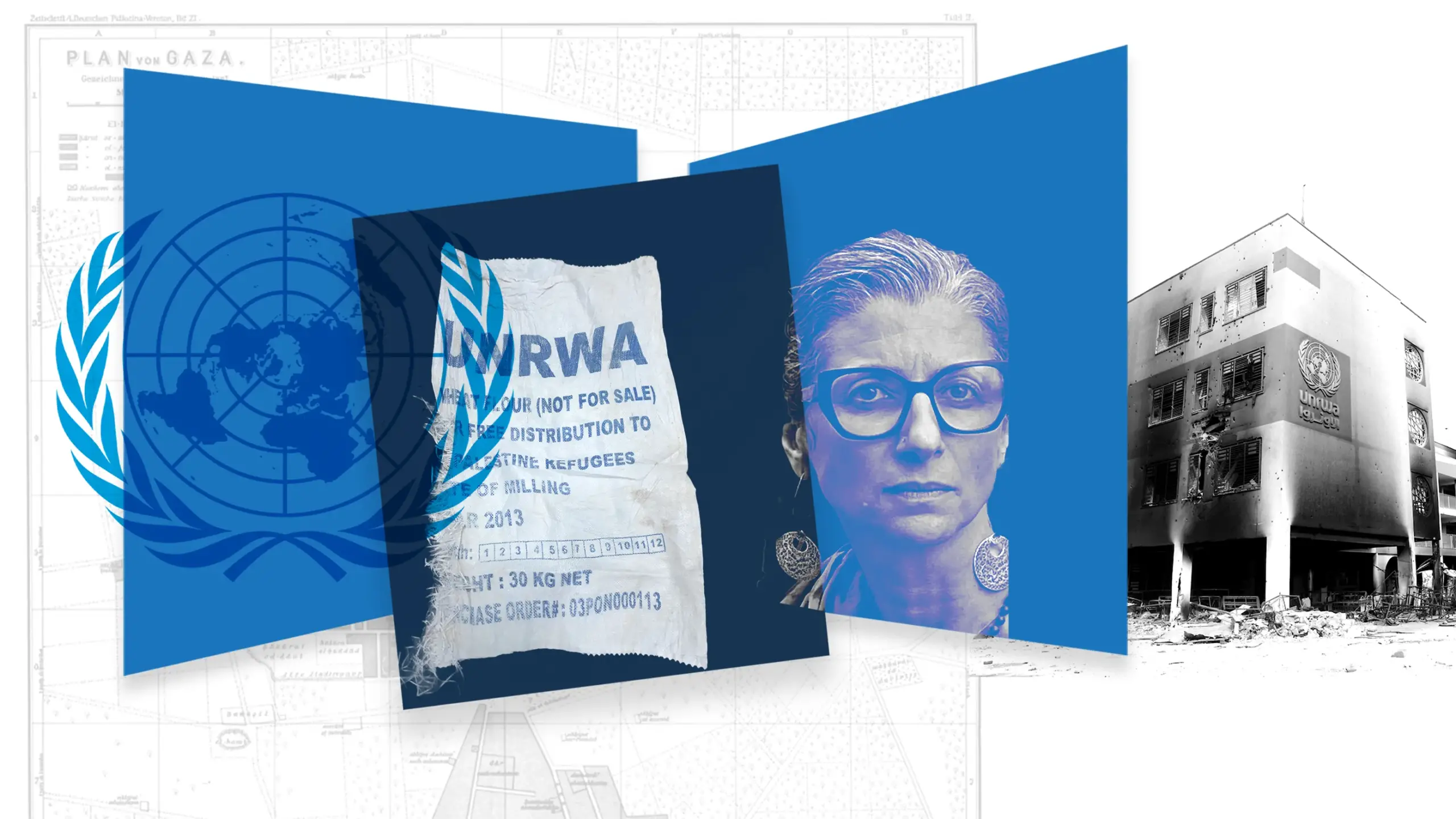
On 8 December 2025 Israeli police entered UNRWA’s headquarters in Sheikh Jarrah, East Jerusalem, and replaced the UN flag with an Israeli one. Three days earlier the General Assembly had renewed the agency’s mandate to 2029, by 151 votes to 10. The money pulls the other way. In 2025 contributions covered about 27 per cent of what the agency needed. DURCHD8’s deadlock study names the bind: the donors who call the agency indispensable decide how much of it can work.
Current State
As of 18 October 2026. The mandate holds to 2029, and the money is the open question. On 7 September the acting head, Christian Saunders, warned that core services would be suspended within two months unless new support arrived. A cashflow gap of 100 million dollars remains for 2026, and most local staff have worked and earned a fifth less since early in the year. On 24 September Saunders told ministers that financial stability also means a slimmer UNRWA, with the mandate unchanged.
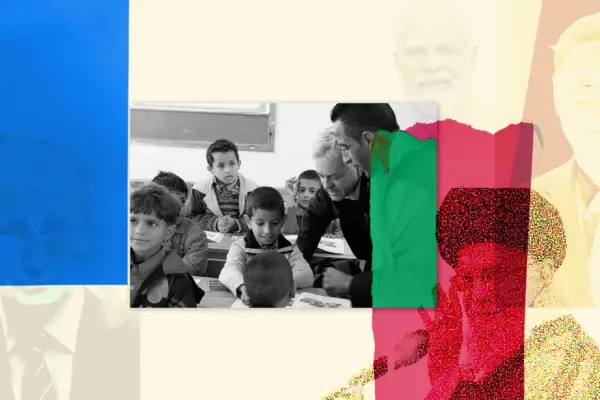
In Gaza more than 10,000 staff still serve 1.7 million people and deliver some 70,000 medical consultations a week, and more than 106,000 children attend its temporary classes. Since March 2025 Israel has blocked the agency from bringing its own supplies and staff into the Strip. In East Jerusalem its headquarters, its schools, its clinics and, since August, its training centre at Kalandia are in Israeli hands. In the northern West Bank more than 33,000 refugees from three camps remain displaced. The next marker is early November, when the two months of the warning run out.
Mechanism
The agency rests on three supports it does not hold. Its mandate comes from the General Assembly, which created it in 1949, and only the Assembly can end it. Its money comes from governments that decide year by year: of the 829 million dollars it received in 2025, the UN’s regular budget supplied 76 million. Its access comes from whoever holds the ground, Hamas inside Gaza and Israel at the crossings and, by law since January 2025, in Jerusalem.
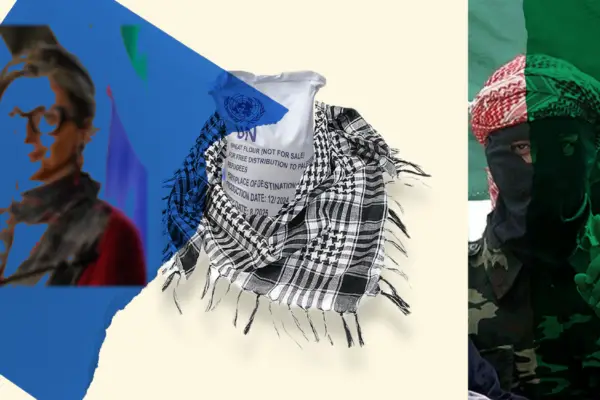
At the core lies the register. Refugee status passes from parents to children, and the agency has kept the record since 1950. The one attempt to replace part of its work, food points opened in May 2025 with American and Israeli backing, covered distribution alone and left the register, the schools and the clinics with the agency. For the majority that renewed it in December 2025 it is “a stabilizing factor in the region”. For the US executive order of February 2025 it “has reportedly been infiltrated” by members of groups designated as terrorist organisations. Each support can be squeezed on its own, and the register has outlasted every squeeze so far.
At Stake
In Gaza two thirds of the people are registered refugees. Before the war the agency was the main source of primary health care for two thirds of the population and taught close to half its schoolchildren. In the West Bank it is the main provider for more than 940,000 registered refugees, and its cuts reach Jordan, Lebanon and Syria too. Its capacity shrinks as the Palestinian Authority's services shrink, the UN's special coordinator wrote in September, and the people least able to absorb the loss are left without a fallback. The UN pays a price of its own. A body of its Assembly lost its Jerusalem headquarters to bulldozers three months after the International Court of Justice found, by ten votes to one, that the agency's premises are inviolable.
If the money runs out before the mandate does, who will have decided the agency's end, and who will keep the register?
Political Relations
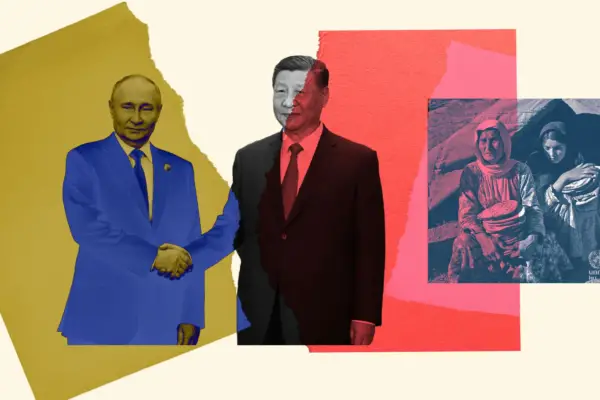
The agency’s majority sits in the General Assembly, where the ten states that voted against its renewal included Israel, the United States, Argentina and Hungary. Money is a separate matter. The UN’s regular budget pays under a tenth, and the rest depends on governments one year at a time. Iraq signed a three-year pledge of 30 million dollars in January, while two major donors suspended payments, according to the agency, which did not name them. Israel holds the strongest hand on the ground. Its laws end official contact and bar the agency from territory Israel treats as sovereign, it decides what enters Gaza, and it has issued no visas to the agency’s international staff since January 2025. The court in The Hague held by ten votes to one that Israel must facilitate the agency’s relief. Washington ended its funding in February 2025, and in July the House voted 217 to 209 for a bill that rules out any US money for it. The Board of Peace’s first report to the Security Council leaves the agency unnamed. Russia and China defend it at the UN, as DURCHD8’s study of their role records.
Research
All four DURCHD8 studies of late 2025 put the agency at their centre. North 1990: Structural Complementarity in Gaza places it beside Hamas as one of two systems that carry daily life in Gaza, and the full version on Zenodo, closed on 5 June 2026, follows it through the donor freezes, the Knesset laws, the loss of its largest donor and the war. It names the register as the condition to watch: the study would count as refuted if Hamas took over the refugee register, or if the Assembly ended the mandate and left the succession open. Both stayed unmet, and the food distribution of 2025 left the register untouched.
UNRWA Colonna Review: Neutrality Verification Collapse examines the review of 2024 whose terms let it test rules and procedures and barred it from establishing facts. By September 2026 the agency counted 41 of the review’s 50 recommendations as fully implemented. The Deadlock Condition: Institutional Non-Exit for UN, UNRWA, and Donors explains why only the Assembly can end the agency and why each round of scandal leaves its owners less room to act. The Gaza Deadlock Under Great Power Competition shows Russia and China defending it at little cost to themselves. The early weeks of November will show whether money ends what no vote has ended.