Illustration: © Sabine Mescher
Academia · Civil & NGOs · Corporate · Institutions · Intergov · Media · Non-State · States
States
From Washington to Kyiv in 2026, a state's weight rests on who still follows it and how fast it can decide.
In three days of October 2026 three capitals showed what holds a state. On the 11th Poland’s security services reported a likely plot against the prime minister and the defence minister, and the next day the Kremlin refused a 60-day truce that would have let Ukraine vote. On the 13th EU governments freed 4.2 billion euros for Hungary, six months after its voters changed government. In DURCHD8’s studies the offices of state stay intact. Their weight moves with their following and their speed.
Current State
As of 18 October 2026. States are being tested on their own ground and at the ballot box at the same time. Below the threshold of war, the pressure has reached their territory, from a drone with explosives at a German airport to a plot at a British air base that London says was almost certainly directed by Iran's Revolutionary Guard.
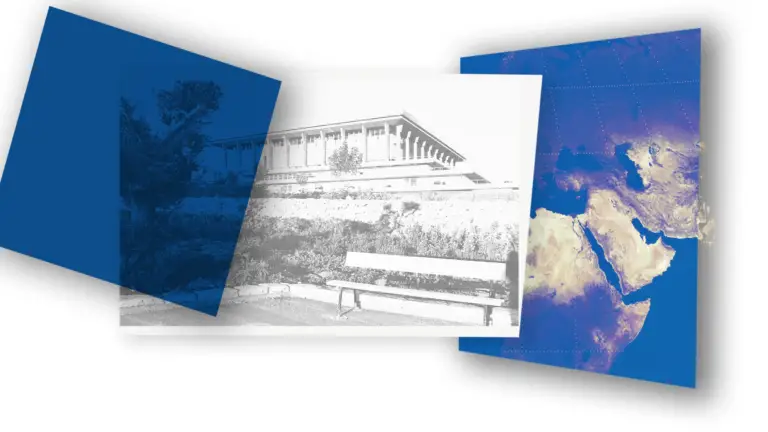
Voters decide next. Israel elects a parliament on 27 October and the United States votes on 3 November. In Germany the AfD leads the national polls, at 29 per cent with INSA on 17 October. The war in Ukraine meanwhile is timed between Washington and Moscow: Trump declared an energy ceasefire on 11 October, Moscow never confirmed it, and on 15 October Kyiv declared it over.
Mechanism
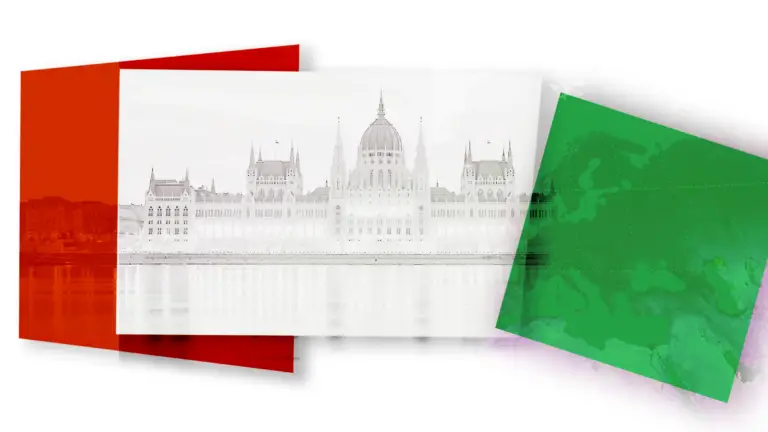
A state holds what outlasts any single life: land, laws, money, armed forces. Whoever carries one of its offices acts for all because others entrust it with what they own, DURCHD8’s foundational text says, and that trust can move while the offices stay. Germany’s state governs and its economy delivers, the Zeitenende study finds, and still the bond between voters and the parties that run it has torn. On 9 May 2026, Europe Day, the European colours flew again over the parliament in Budapest as Péter Magyar was sworn in. That day Slovakia’s prime minister, Robert Fico, watched the Victory Day parade in Moscow.
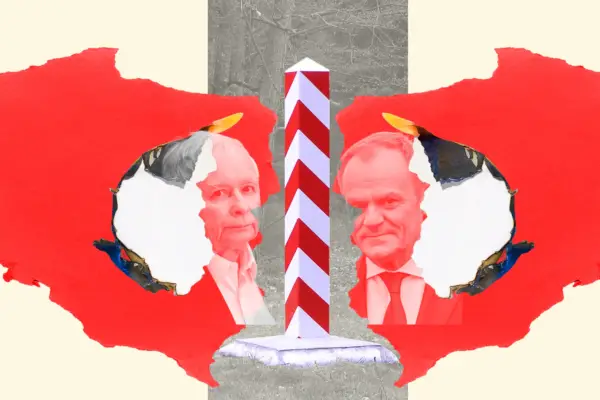
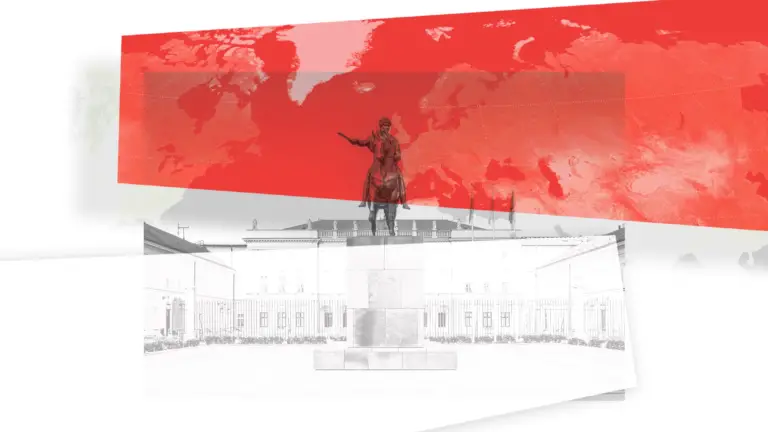
Time is the second measure. Russia adapts in weeks where the alliance plans in years, DURCHD8’s NATO study finds, and Moscow’s information governance aims at that gap: in the Russia study’s terms a target keeps its sovereignty on paper and loses the time it needs to use it. In Warsaw two elected authorities refuse to recognise each other’s acts, and workarounds keep the state moving while the dispute stays open. The offices outlast all of this. What a state can do with them depends on who follows it and how fast it decides.
At Stake
Citizens stand nearest to the risk. Near Leipzig a drone with explosives lay on the airport grounds close to a Ukrainian cargo plane in August, and only a defect kept it from going off. In Ukraine the cost of decisions delayed elsewhere is counted in destroyed infrastructure and in lives. Allies carry the second risk, because commitments rest on governments and governments face voters. Israel and the United States go to the polls this autumn and Poland in 2027. In Germany any change to the Basic Law's provisions on the armed forces now needs votes from the AfD or Die Linke.
Can a government still decide in days and keep its voters behind the decision for years?
Political Relations
Washington can move what others depend on: the roughly 80,000 American troops under review in Europe and the truces it announces for a war it mediates. Moscow can refuse, and on 12 October it did. Beijing holds supply, down to more than 95 per cent of the inputs for Poland’s batteries. Kyiv carries the war, and Warsaw carries the supply line, with most Western military aid for Ukraine passing through Rzeszów.
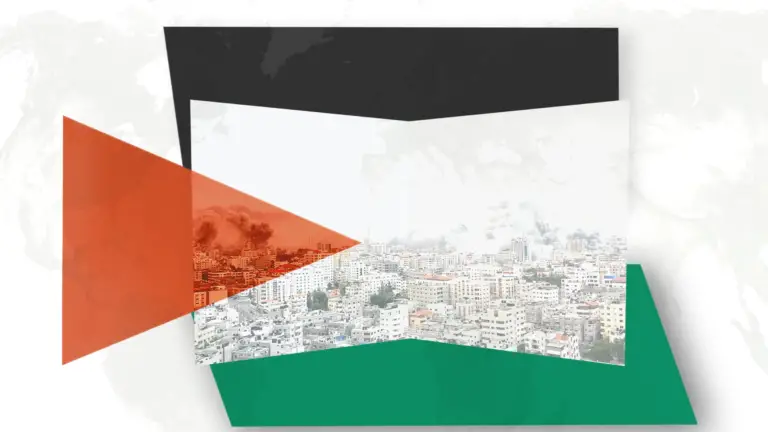
Unanimity gives every capital in the EU a brake. Hungary under Viktor Orbán held up sanctions against Russia for years, and Slovakia took a veto stance on a sanctions package in April 2026. Israel holds Gaza’s only open crossing for cargo and, by Netanyahu’s own account, more than 60 per cent of its land. States also act through actors of other kinds. They fund institutes that advise them, from Germany’s SWP to the donors behind RUSI and the ECFR, and in Gaza they deal with a UN agency and an armed movement that share the ground.
Research
DURCHD8 reads states first from the inside. Zeitenende: Macht ohne Bedeutung ist bedeutungslos follows Germany’s party system from 1990 to 2026, and in August it bound itself to an expectation for the September elections that held in one state and failed in another. Poland: Two States, One Republic works from vetoes, cabinet resolutions and oaths to show two elected authorities that refuse each other’s acts.
It reads them, second, by what they do to others. Russia’s Information Domain as a Governed Power Function reconstructs from decree and statute how Moscow governs information, and Ivashov: Signal Within a Governed Information Environment follows that function into one voice it lets speak. Reclassified: Europe’s New Position in the 2025 U.S. National Security Strategy reads Washington’s turn from its own strategy. Vermeidung von Entscheidung unter Druck counts the decision Berlin, Brussels and NATO did not take as an act, and Berlin Talks and the Limits of Negotiation found in December 2025 that where no text binds, early readings harden.
Each finding rests on public records, from election results and budgets to decrees and court files, and stands or falls with them.
Featured Disclosures
Essay — A readable analytical article framing the subject, context, and significance.
Briefing — The decision-maker’s version: key findings, implications, and operational relevance.
Assessment — A concentrated analytical diagnosis for readers who need the argument.
Architectural Analysis — The complete scientific analysis.